
A loaded truck brakes abruptly on the highway. When the warehouse receives the shipment, the pallet is tilted, cartons are scattered, and film hangs loosely around the edges. This is not a rare event. Every year, poorly wrapped pallets cause significant cargo damage in logistics. Learning how to stretch wrap a pallet correctly is a simple skill that can save you considerable cost. This guide walks you through the step-by-step process and highlights key factors to consider when choosing materials.
Stretch wrapping serves a straightforward purpose: it keeps boxes fixed on the pallet, preventing movement, collapse, and moisture exposure during transit. However, an incorrect method negates all these benefits. Here is what proper wrapping accomplishes:
The cost of improper wrapping is often greater than expected. Damage, rework, customer complaints, and higher insurance rates all trace back to film application mistakes in the initial few wraps.
Before reaching for the film, take a moment to inspect the pallet and load. Follow these steps:
The table below provides recommended starting points for common load types:
| Load Type | Bottom Wrap Layers | Recommended Film Gauge |
|---|---|---|
| Light cartons | 2-3 layers | 60-70 gauge |
| Standard cartons | 3-4 layers | 70-80 gauge |
| Heavy or irregular loads | 4-6 layers | 80-120 gauge |
Now let us get to work. The following steps apply to manual stretch wrapping:
If the film tears unexpectedly, do not start a new roll. Overlap the broken end neatly on the existing wraps and continue.
Wrap count and tension control directly affect both safety and cost. Over-stretching is a common mistake for beginners. Here are key parameters:
Tension control. The film should be stretched until clear resistance is felt, but it should not deform cartons. Industry reference is 30-50% stretch rate. Beyond this range, film strength drops and goods can be compressed.
Overlap. 50-70% overlap per wrap is ideal. Too little overlap creates weak spots; too much wastes material.
Bottom and top. The base is always the densest area because it carries the load foundation. The top deserves equal attention.
A practical rule of thumb: 2-3 wraps at the base, spiral coverage in the middle, and 2-3 wraps at the top. Do not wrap the same section more than 2-3 times. That only wastes film.
Different stretch film thicknesses suit different applications. Film thickness is usually expressed in gauge; higher numbers indicate thicker film.
For pallet loads that require high tensile strength and tear resistance, the industrial standard is our PE stretch film . This film offers excellent elongation and recovery, maintaining constant load containment throughout transit.
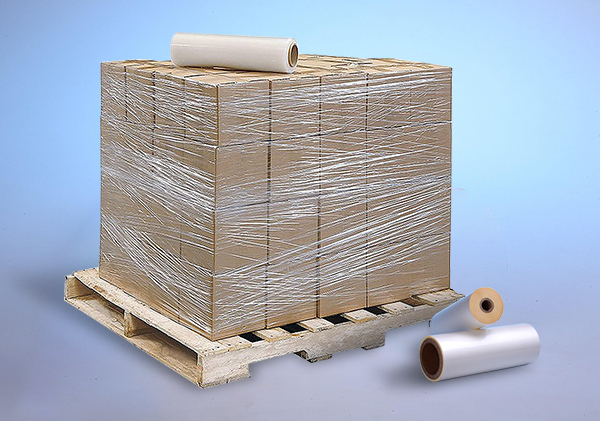 PE Stretch Film for Pallet Load Containment This PE stretch film features strong winding and retraction to secure palletized goods, offering protection against dust, oil, and water. Its high tensile strength and elongation maintain load stability, making it a suitable choice for industrial shipping. View Product →
 When purchasing, also consider UV stability, transparency requirements (whether barcode scanning is needed), and compatibility with your wrapping equipment. Choosing the right thickness helps balance protection performance against cost.
Even with the right steps, small errors can cause problems:
As a general rule, 2-3 wraps at the base, then spiral upward, and 2-3 wraps at the top. For heavy or irregular loads, you can increase layer counts as needed. The key is ensuring 50-70% overlap between layers rather than re-wrapping the same area.
Stretch wrap secures loads through tension and is used for pallet stabilization. Shrink wrap requires heat to conform to product shape and is mainly for retail packaging and specialized protection. They are different materials with different applications.
The film should be stretched until clear resistance is felt, without deforming the load. Per industry standards, 30-50% stretch rate is normally safe. If visible stress lines appear on the film, you are over-stretching.
Yes, but you need to choose the right gauge. PE stretch film is specifically designed for pallet wrapping with superior elongation and recovery. Standard PE shrink film may not deliver these properties.


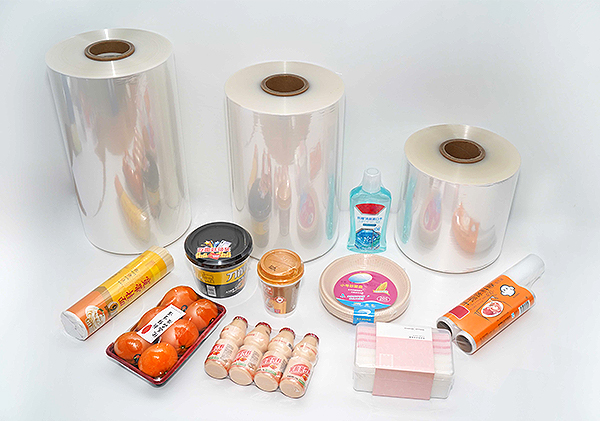
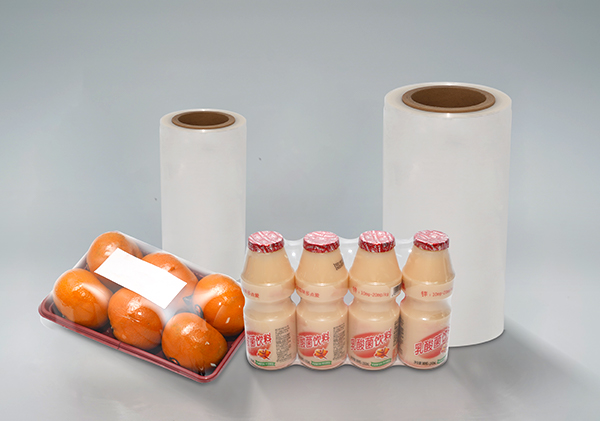
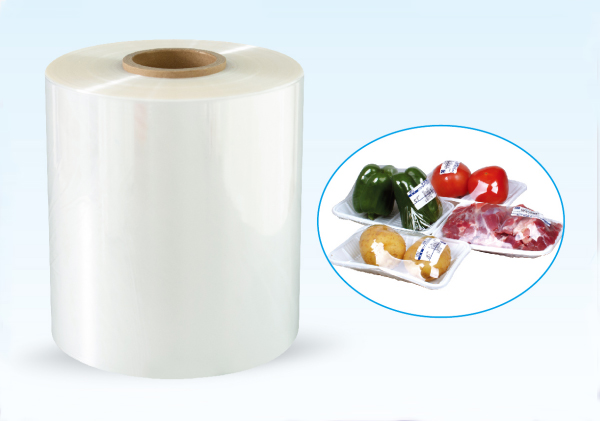
JT05 Film di rimpinamento reticolato ant05 ...
Copyright © Zhejiang Jiuteng Packaging Materials Co., Ltd.
 Produttori di pellicole per imballaggio/imballaggio personalizzate
 简体中文
简体中文
 Casa
Casa